Planning the work
Repair, rekey, or replace?
Repair fixes a functional problem while keeping usable hardware in place. It can involve realigning the door, adjusting or moving the strike, tightening or replacing fasteners, servicing the cylinder, or swapping a single worn internal part such as a spring or a tailpiece. Repair is not automatically the least costly route, because the condition of the whole assembly matters — a repair on hardware that is worn throughout only delays the next failure.
Rekeying changes which key operates a compatible lock by re-pinning the cylinder. It is the right answer after moving in, losing a key, a change in who should have access, or wanting several doors on one key. It does not repair a mechanical fault and does not turn old hardware into new hardware; the lock must still be in serviceable condition. The rekeying page explains exactly what the process changes and where it stops.
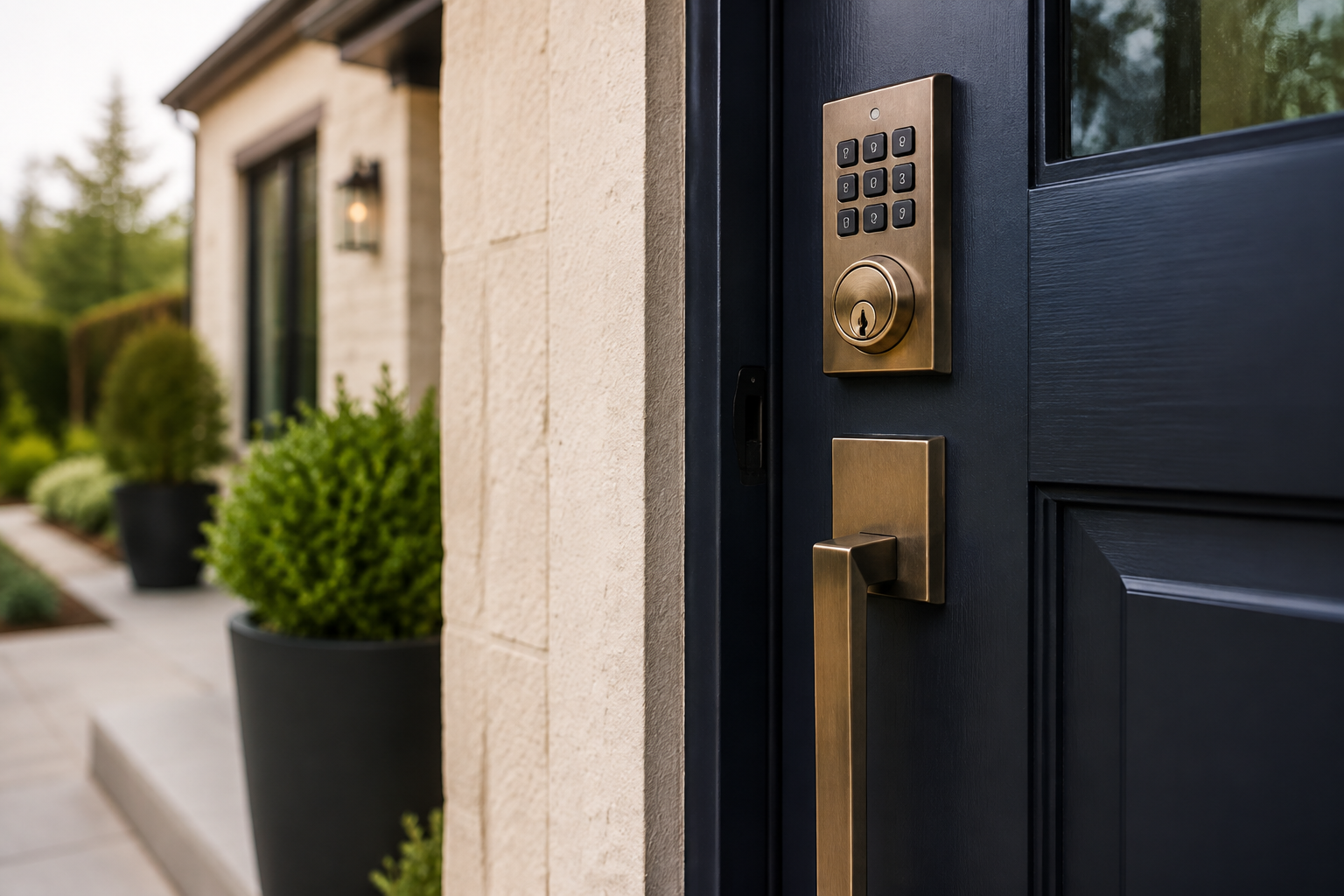
Replacement installs different hardware. It fits when a lock is damaged, badly worn, corroded, the wrong function for the door, or incompatible with the keying plan you want. Replacement is also the route when you want capability the current lock does not have, such as a keypad, a smart deadbolt, or a higher grade of cylinder. The goal is an access setup that works and that you understand, not extra hardware bolted on without a reason.
You can help the decision by deciding what matters most before anyone arrives: getting back inside, stopping old keys from working, fixing a latch that will not catch, adding a spare key, simplifying several doors down to one key, or replacing hardware that is visibly past its life. A clear priority leads to a clear recommendation. The rekey-or-replace note walks through the same decision with examples.