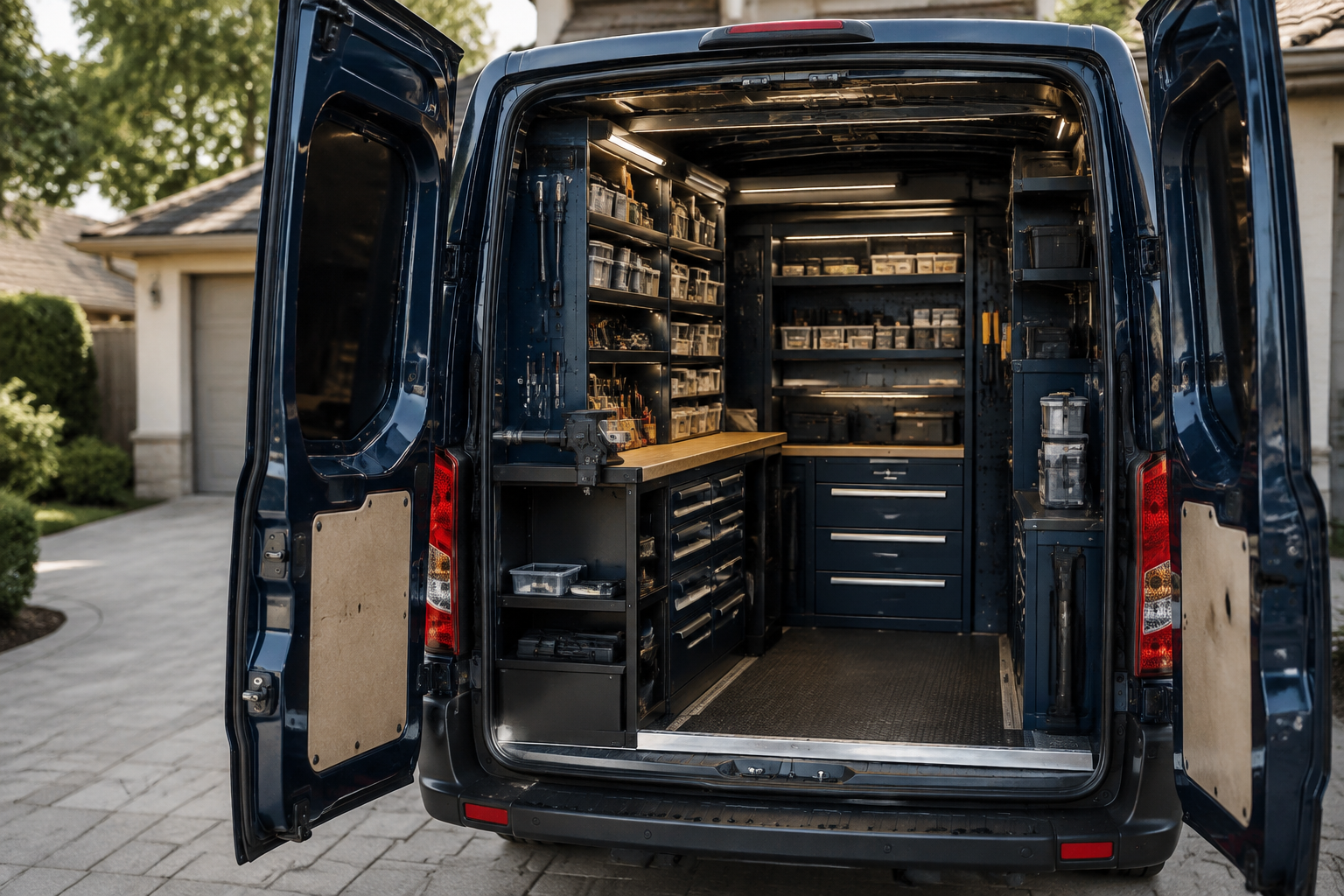
How we work
Find the cause before choosing the fix
Most locksmith calls come after something has already gone wrong: a key is missing, a bolt has started to bind, a door will not latch, or access needs to change after a move or a staffing update. It is tempting to jump straight to a product — a new lock, a new key, a new deadbolt — but the same symptom can have several causes, and the wrong fix leaves you paying twice.
A stiff key might mean a worn cylinder, or it might mean a door that has dropped on its hinges after a humid Georgia summer. A deadbolt that will not throw might be the lock, or it might be the strike sitting a few millimetres out of place. A car key that turns the ignition but will not start the engine has already done its mechanical job, so the problem is almost certainly electronic rather than the key itself. Each of those has a different answer.
So every visit starts by looking at the actual hardware and the door or vehicle it is mounted in. Repair makes sense when the components are still serviceable. Rekeying is right when the concern is old keys rather than a damaged lock. Replacement is appropriate when hardware is worn, broken, the wrong function, or incompatible with your keying plan. The goal is a setup that works and that you understand, not extra parts sold without a reason. The lock repair page shows how symptoms are traced to causes, and the rekey-or-replace note works through that decision with examples.